Home Flipping Trends 2026: Why Activity Is Falling and What Investors Need to Know
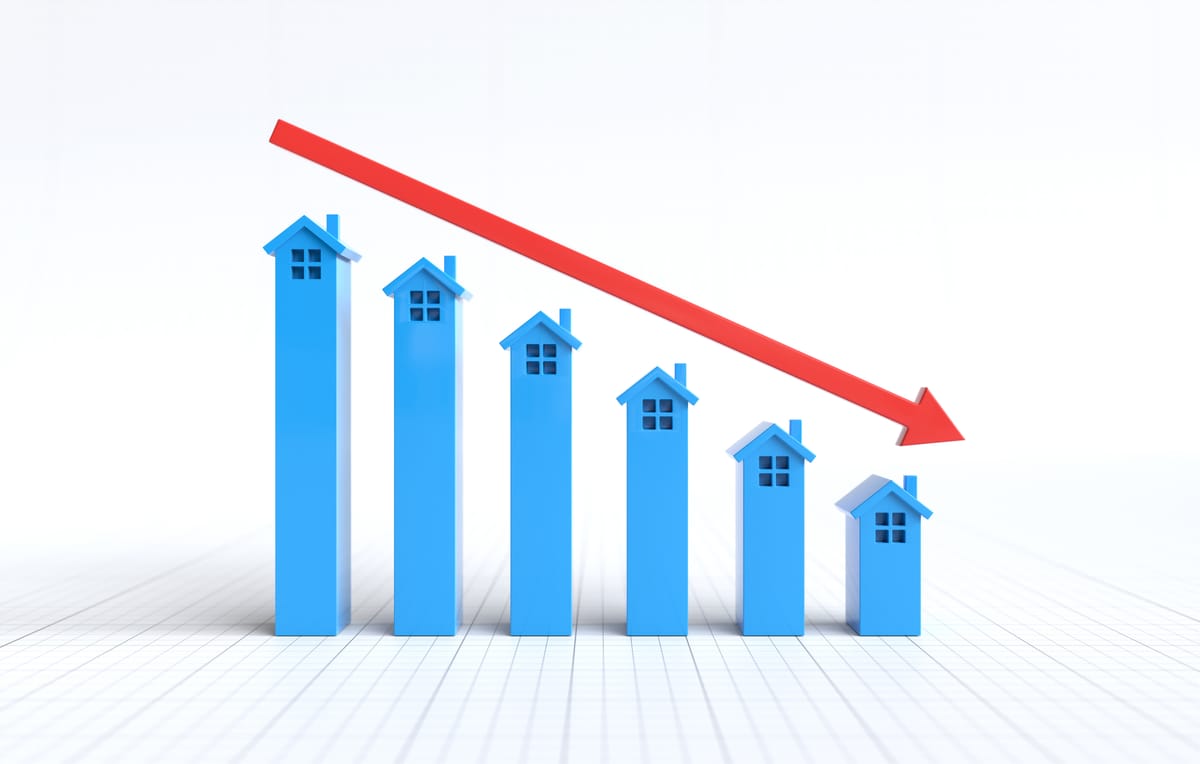
Home flipping trends 2026 are signaling a clear shift and if you're investing in real estate, this is where the market starts separating speculation from strategy.
Flipping activity has slowed, margins are tightening, and investors are being forced to rethink how deals actually work. If you're evaluating opportunities today, platforms like Houser are becoming essential to validate deals using real metrics instead of assumptions.
Home Flipping Has Hit a Wall
Home flipping hit a major slowdown in 2025. According to ATTOM data, the number of flipped homes dropped to 297,045 nationwide, marking the lowest level since 2020. At the same time, profitability declined sharply.
Key Flipping Data
That 25.5% return represents the lowest ROI since 2008, during the financial crisis. This isn’t just a slowdown. It’s a structural shift.
Why Flipping Is Becoming Less Profitable
The traditional flipping model is under pressure from multiple angles.
Key Challenges
As ATTOM CEO Rob Barber noted:
“With prices staying elevated, investors are finding it harder to secure deals that deliver strong returns.”
Buyer Behavior Has Changed
One of the biggest changes in 2025–2026 is buyer psychology. During low-interest years, buyers were willing to pay a premium for turnkey homes. That is no longer the case.
Buyer Preference Shift
As Realtor.com economist Joel Berner explains: Buyers are no longer willing to overpay for finishes they prefer to create value themselves. This shift directly impacts flipping profitability.
The New Reality of Deal Margins
Let’s compare a typical flipping deal before vs now:
Then vs Now
The deal still “works” on paper. But in reality: The margin for error is almost gone.
Where Flipping Is Declining (and Growing)
Flipping activity is not dropping evenly; it varies by market.
Markets Seeing Decline
Markets Seeing Growth
This shows one key thing: Flipping is no longer universal it’s highly location-dependent.
What Smart Investors Are Doing Now
Instead of chasing flipping deals blindly, experienced investors are adapting.
They are:
• targeting deeper value-add opportunities
• focusing on cash-flow strategies
• tightening renovation budgets
• analyzing deals more conservatively
Because in today’s market: A deal that only works under perfect conditions is not a deal.
The Shift Toward Data-Driven Investing
The biggest change in 2026 isn’t just market conditions. It’s how investors are making decisions.
Before: • rough estimates •optimistic projections • surface-level analysis
Now: • NOI-driven decisions • break-even modeling • risk-adjusted analysis• scenario testing For broader economic context, you can review housing and interest rate trends directly from the Federal Reserve
The Bigger Takeaway
Flipping isn’t dead. But it’s no longer forgiving. The market has shifted from: Easy profits → Precision investing The investors who succeed today are not the fastest. They are the most informed.
Houser helps you:
• validate deals using real data
• calculate true profitability
• understand risk before investing
• make smarter, structured decisions
Start analyzing deals the smarter way:https://houser.homes
FAQ
Why is home flipping declining in 2026?
Home flipping is declining due to higher interest rates, rising property prices, increased renovation costs, and lower buyer demand.
What is the average ROI for home flipping in 2025?
The average ROI dropped to around 25.5%, the lowest level since 2008.
Is home flipping still profitable?
Yes, but only in specific markets and with careful deal analysis and cost control.
What are the biggest risks in home flipping today?
The biggest risks include shrinking margins, cost overruns, slower sales, and incorrect pricing assumptions.
What strategies are replacing home flipping?
Many investors are shifting toward buy-and-hold, value-add rentals, and data-driven investment strategies.